


Cannabinoids represent a diverse group of biologically active compounds isolated from the hemp plant (Cannabis sativa L.), whose effects are mediated through interaction with the endocannabinoid system (ECS). Cannabinoids are terpene phenolic compounds characterized by a chemical structure composed of 21 carbon atoms. Structurally, cannabinoids are derivatives of dibenzopyran or a monoterpene segment attached to an alkyl side chain. Their specific molecular structure allows interaction with various receptors and molecular targets in the body. The terpene nature of cannabinoids also contributes to their lipophilicity, enabling efficient penetration through cell membranes, the blood–brain barrier, and interaction with lipophilic sites within biological systems.
The ECS is a complex network of neurotransmitters, receptors, and enzymes, whose primary role is to maintain the body’s homeostasis by regulating numerous physiological functions such as pain perception, inflammatory processes, immune response, mood, appetite, and neuroprotection. In recent years, there has been growing interest in the use of CBD (cannabidiol), a non-psychoactive cannabinoid that shows great therapeutic potential—especially in the regulation of pain, inflammation, anxiety, and many other conditions. It is therefore crucial for pharmacists to understand the detailed mechanisms of action of CBD and other cannabinoids so that they can provide expert recommendations and safely and effectively integrate them into patients’ therapeutic regimens.
The endocannabinoid system (ECS) is a complex biological system present in all mammals that comprises three key components: endogenous cannabinoids (endocannabinoids), cannabinoid receptors, and the enzymes that regulate their metabolism. The main endocannabinoids are anandamide (AEA) and 2-arachidonoylglycerol (2-AG). These compounds act as natural ligands by activating specific cannabinoid receptors CB1 and CB2.
CB1 receptors are predominantly located in the brain and central nervous system, where they play a crucial role in modulating neurotransmission and regulating cognitive functions, mood, pain perception, and appetite. In contrast, CB2 receptors are mainly localized in peripheral tissues, particularly in immune cells, where they regulate immune response and inflammatory processes.
Key enzymes regulating the metabolism of endocannabinoids include hydrolases such as FAAH (fatty acid amide hydrolase), responsible for breaking down anandamide, and MAGL (monoacylglycerol lipase), responsible for the degradation of 2-AG. The regulation of these enzymes is important for maintaining the proper balance and efficiency of the ECS, and various cannabinoids like CBD can influence their activity.
CB1 receptors belong to the group of G protein-coupled receptors (GPCR) and are widely distributed in the central nervous system (e.g., cerebral cortex, hippocampus, basal ganglia, cerebellum). Their activation regulates the release of neurotransmitters such as GABA, glutamate, serotonin, and dopamine, thereby influencing pain perception, mood, anxiety, appetite, and memory. CBD does not directly activate CB1 receptors but acts as a negative allosteric modulator, reducing excessive stimulation and thus alleviating the undesirable psychoactive effects of THC.
CB2 receptors are also GPCRs but are mainly found in peripheral tissues, especially on immune system cells like lymphocytes, macrophages, monocytes, and microglial cells. Their activation is key in modulating the immune response by lowering the secretion of pro-inflammatory cytokines (IL-6, TNF-α, IFN-γ), reducing inflammatory cell migration, and promoting anti-inflammatory and immunomodulatory effects. CB2 receptors are potential therapeutic targets for autoimmune conditions, chronic inflammation, neurodegenerative disorders, and chronic pain syndromes.
CBD acts as an agonist of the 5-HT1A serotonin receptor, contributing to its anxiolytic, antidepressant, and neuroprotective effects. Activation of this receptor reduces excessive neuronal excitability and helps regulate emotional states, making it potentially useful in treating anxiety and depressive disorders. Additionally, its action on 5-HT1A receptors may help reduce nausea and vomiting.
CBD activates TRPV1 channels, which are involved in pain perception, inflammation, and the regulation of body temperature. Activation of TRPV1 channels by CBD leads to desensitization of the channels, resulting in analgesic and anti-inflammatory effects. This mechanism is particularly beneficial for alleviating neuropathic pain, arthritis, and other chronic pain conditions, as well as reducing peripheral inflammation.
CBD functions as an antagonist of the GPR55 receptor, considered an atypical cannabinoid receptor. GPR55 is involved in various physiological processes, including bone metabolism, vascular function, and inflammation. Modulating the activity of GPR55 through CBD may have therapeutic potential in the prevention and treatment of osteoporosis, cardiovascular diseases, hypertension, and various chronic inflammatory conditions.
CBD acts as an agonist of nuclear receptors PPARγ, which regulate gene expression related to lipid metabolism, glucose homeostasis, inflammation reduction, and neuroprotection. Activation of PPARγ contributes to improved insulin sensitivity, decreased inflammation in metabolic syndrome, type 2 diabetes, and chronic neuroinflammatory diseases such as Alzheimer’s disease and multiple sclerosis.
THC is the best-known psychoactive cannabinoid from the Cannabis sativa plant. It has a high affinity for CB1 receptors, and its molecular structure allows for strong interactions with these receptors, leading to well-known psychoactive effects such as euphoria, altered perception, and sedation, as well as unwanted effects like anxiety and tachycardia. THC also possesses significant analgesic, antiemetic, and antispasmodic properties.
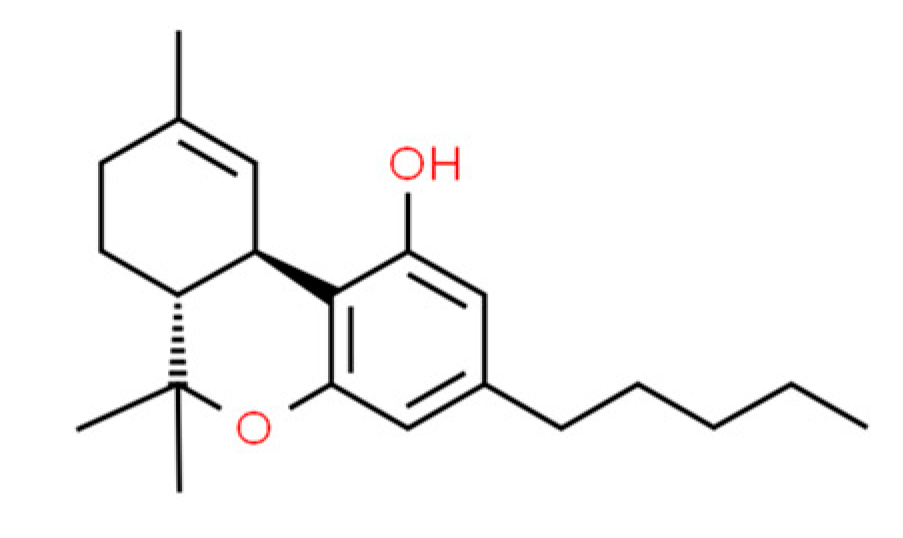
CBD is the second most prevalent cannabinoid in the hemp plant but, unlike THC, does not produce psychoactive effects. On a molecular level, CBD does not have significant affinity for CB1 and CB2 receptors; instead, it acts indirectly by modulating these receptors via negative allosteric modulation. Additionally, CBD influences various other molecular targets such as serotonin receptors, TRPV channels, GPR55 receptors, and nuclear receptors PPARγ. This broad spectrum of activity underpins its wide range of therapeutic applications, including pain relief, anti-inflammatory, anxiolytic, anticonvulsant, and neuroprotective effects.
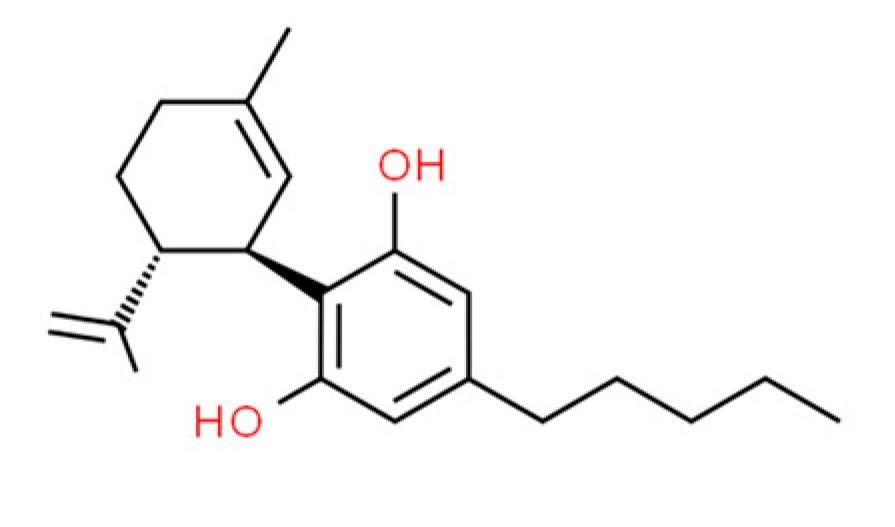
CBG is a precursor cannabinoid from which THC, CBD, and other cannabinoids are biosynthesized. It acts as a partial agonist at CB1 and CB2 receptors and exhibits anti-inflammatory, antibacterial, and neuroprotective effects. CBG shows therapeutic potential in treating inflammatory bowel diseases, glaucoma, and neurodegenerative disorders such as Huntington’s disease.
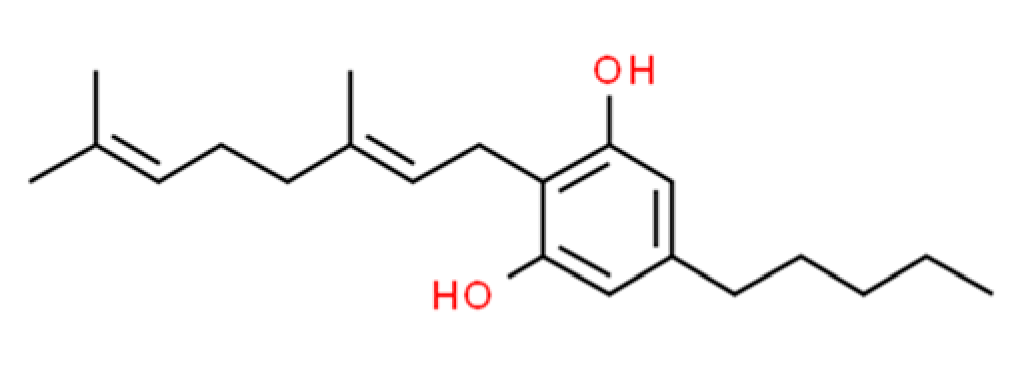
CBN is an oxidative degradation product of THC, formed when THC ages or is exposed to heat and oxygen. It has a weaker psychoactive effect compared to THC but is noted for its pronounced sedative properties, making it potentially useful for treating insomnia. CBN also exhibits analgesic and neuroprotective characteristics.
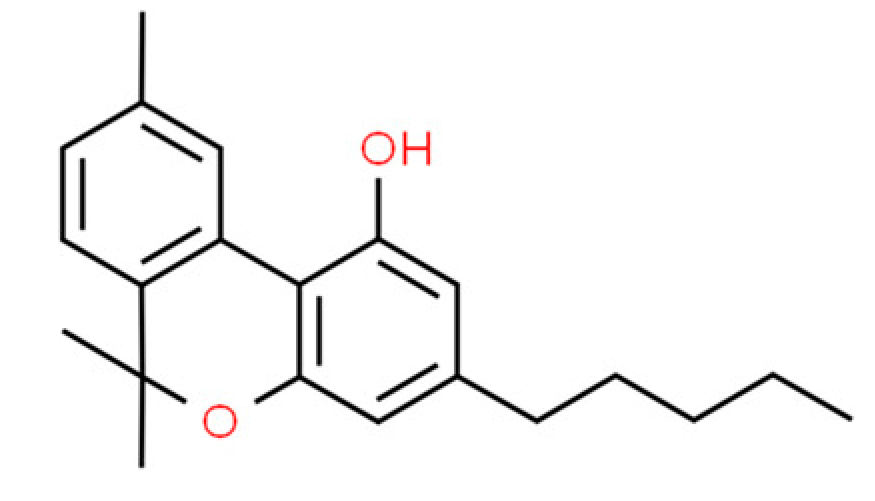
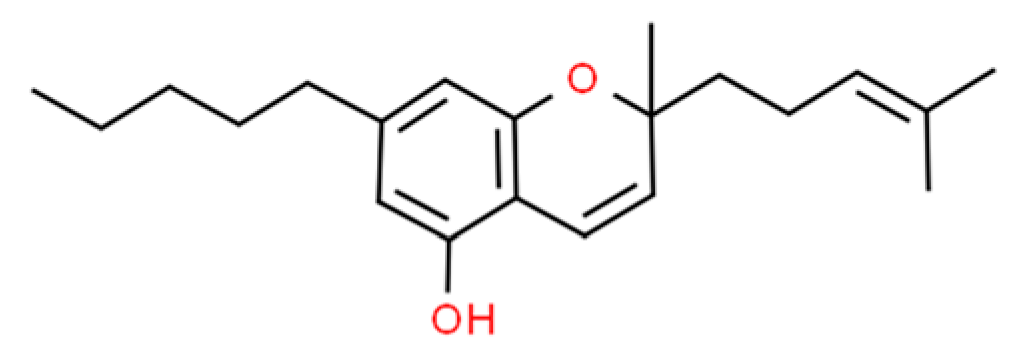
CBC has a weak affinity for CB1 and CB2 receptors but is a potent activator of TRPV1 and TRPA1 channels, contributing to its analgesic and anti-inflammatory effects. CBC also shows neuroprotective properties and holds potential for the treatment of neurological disorders and chronic inflammatory diseases.
The pharmacokinetics of cannabinoids, particularly CBD, are complex and depend on the route of administration, formulation, and dosage.
CBD and other cannabinoids can be absorbed via oral, sublingual, inhalation, dermal, and rectal routes. Oral administration is characterized by variable bioavailability (6–19%) due to first-pass metabolism in the liver and a delayed onset of action. Sublingual and inhalation methods provide faster absorption and higher bioavailability, with inhalation allowing almost instantaneous entry of cannabinoids into the bloodstream due to the large surface area of the pulmonary epithelium.
Cannabinoids, including CBD, are highly lipophilic compounds and rapidly distribute into lipid-rich tissues such as the brain, liver, lungs, and adipose tissue. CBD crosses the blood–brain barrier due to its lipophilicity, enabling therapeutic effects on the central nervous system. Its high lipophilicity also results in accumulation in fat tissue, which leads to an extended elimination half-life.
CBD is primarily metabolized in the liver by cytochrome P450 enzymes (CYP450), particularly CYP3A4 and CYP2C19. The main metabolites of CBD include 7-hydroxy-CBD, 7-carboxy-CBD, and their glucuronides. THC, on the other hand, is metabolized into the active metabolite 11-hydroxy-THC, which is subsequently converted into the inactive metabolite 11-nor-9-carboxy-THC. It is important to note the potential for drug interactions with other medications metabolized by the same CYP450 system, which may require careful clinical monitoring.
Cannabinoid elimination occurs primarily through the hepatobiliary system, where liver-produced metabolites are excreted into the bile and eliminated via feces. A smaller portion is excreted through urine. The elimination half-life of CBD can vary between 18 and 32 hours, but due to accumulation in adipose tissue, it may be considerably longer.
This complexity in cannabinoid pharmacokinetics underscores the importance of an individualized approach to dosing and selecting the appropriate method of administration in pharmaceutical practice.
Pharmacological and biochemical aspects of the action of CBD and cannabinoids provide a foundation for understanding their substantial therapeutic potential. Detailed knowledge of their mechanisms of action, structure, pharmacokinetic properties, and interactions with receptors and other molecular targets enables pharmacists to advise patients accurately and manage the use of CBD and related compounds in daily pharmaceutical practice. In future newsletters, we will further explore safety aspects, side effects, and additional clinical applications of cannabinoids.

