


Chronic pain can feel like an endless battle. For many, finding relief means turning to over-the-counter painkillers or prescription medications, which often come with a laundry list of side effects.
If you’re searching for a more natural way to manage pain, CBD oil is emerging as a powerful alternative. Backed by scientific research and real-world success stories, CBD oil is gaining recognition for its ability to help reduce chronic pain and improve quality of life.
Let’s explore how CBD oil works, the science behind its pain-relieving properties, and how it’s making a difference for people dealing with chronic pain.
CBD, or cannabidiol, is a natural compound derived from the cannabis plant. Unlike THC, CBD doesn’t produce a “high.” Instead, it interacts with the body’s endocannabinoid system (ECS), a network of receptors that helps regulate functions like mood, sleep, immune response, and pain.
When it comes to pain, CBD targets specific receptors in the ECS, reducing inflammation and altering pain perception. Research published in Frontiers in Pharmacology found that CBD can effectively decrease chronic pain by interacting with neurotransmitters that influence pain signaling.
That’s why CBD is becoming a go-to option for managing stubborn pain—it offers relief without the risks or side effects of opioids and other heavy-duty painkillers.
The connection between CBD and chronic pain relief has been the focus of several scientific studies, and the results are compelling.
A 2018 review published in Cannabis and Cannabinoid Research analyzed multiple studies on CBD. It concluded that it shows significant potential in reducing pain caused by arthritis, nerve damage, and other chronic conditions. Participants reported both reduced pain intensity and improved mobility after using CBD consistently.
Another European Journal of Pain study found that topical CBD applications significantly reduced pain and inflammation in animals with arthritis. This research is especially promising for those seeking localized relief, as CBD creams and balms allow you to target specific areas of discomfort.

For many individuals, CBD has been a game-changer in managing chronic pain.
Take Gail Muller, for example. At just 15, she was told she’d likely be in a wheelchair by 40 due to muscular-skeletal issues causing relentless chronic pain. But Gail didn’t let that prediction define her. She worked with chiropractors, embraced her condition, and decided to face her pain with compassion instead of defeat. By 41, she defied the odds by hiking the Appalachian Trail—a six-month journey on one of the world’s toughest treks.
For Gail, CBD oil became a turning point in managing her pain and staying active. “CBD oils have had profound positive effects on my body and mind,” she says. “They help me sleep, calm my anxiety, and ease the pain when inflammation or flare-ups slow me down.”
Alex Tauberg, a chiropractor and rehabilitation specialist from Pittsburgh, Pennsylvania, often sees patients struggling with osteoarthritis and chronic pain. In his practice, he’s found CBD topicals to be a valuable option for relieving symptoms and improving day-to-day comfort.
“Several of my patients who rely on their hands for fine motor skills use CBD salve when the pain flares up,” he says. “They’ve shared how it provides relief and helps them keep working, even during painful episodes.”
If you’re considering CBD for chronic pain, here’s how to get started:
CBD comes in various forms, from oils and tinctures to capsules, gummies, and topicals. For full-body pain relief, CBD oil or capsules are a great choice. For localized pain, such as arthritis or joint discomfort, a CBD cream or balm can target the affected area directly.
Begin with a low dose of CBD and gradually increase until you find the right balance for your needs. Everyone’s body reacts differently, so listen to how you feel and adjust accordingly.
Consistency is key. Incorporating CBD into your daily routine can help build its effects over time.
CBD works best as part of a holistic approach to pain management. Pair it with physical therapy, regular exercise, or mindfulness practices for maximum benefit.
While CBD is generally well-tolerated, there are some potential side effects.
Some users report mild issues like dry mouth, dizziness, or changes in appetite. Additionally, CBD can interact with certain medications, so it’s always a good idea to consult with your healthcare provider before starting a new regimen.
Choosing high-quality CBD products is also important. Look for third-party tested options to ensure purity and potency, and prioritize products made from organically grown hemp to avoid harmful additives.
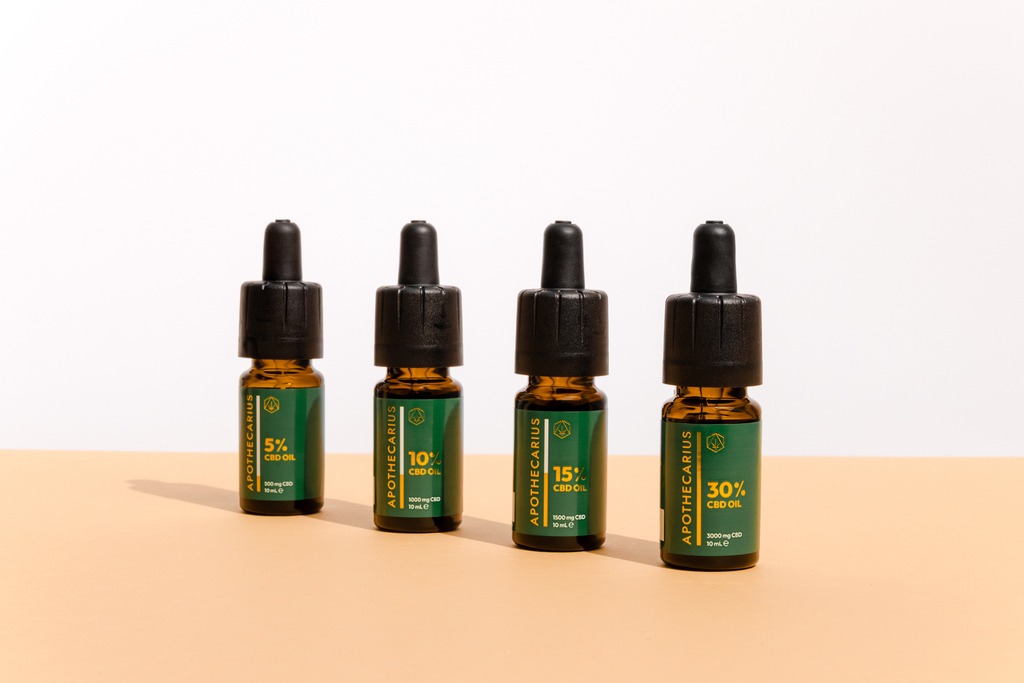
Seeing the impact of CBD oil through stories like Gail Muller’s and the experiences from Alex Tauberg’s practice really brings to light how effective this natural remedy can be.
CBD stands out as a gentle yet powerful alternative to traditional painkillers that reduces inflammation and discomfort without harsh side effects.
If you’re looking for a new way to manage your pain, consider giving CBD a try. It’s simple to integrate into your routine, and starting with a small dose can help you discover just how much it can improve your daily life.
Ready to give it a shot? Allow yourself to live more fully, with less pain and more joy with our CBD products.

